
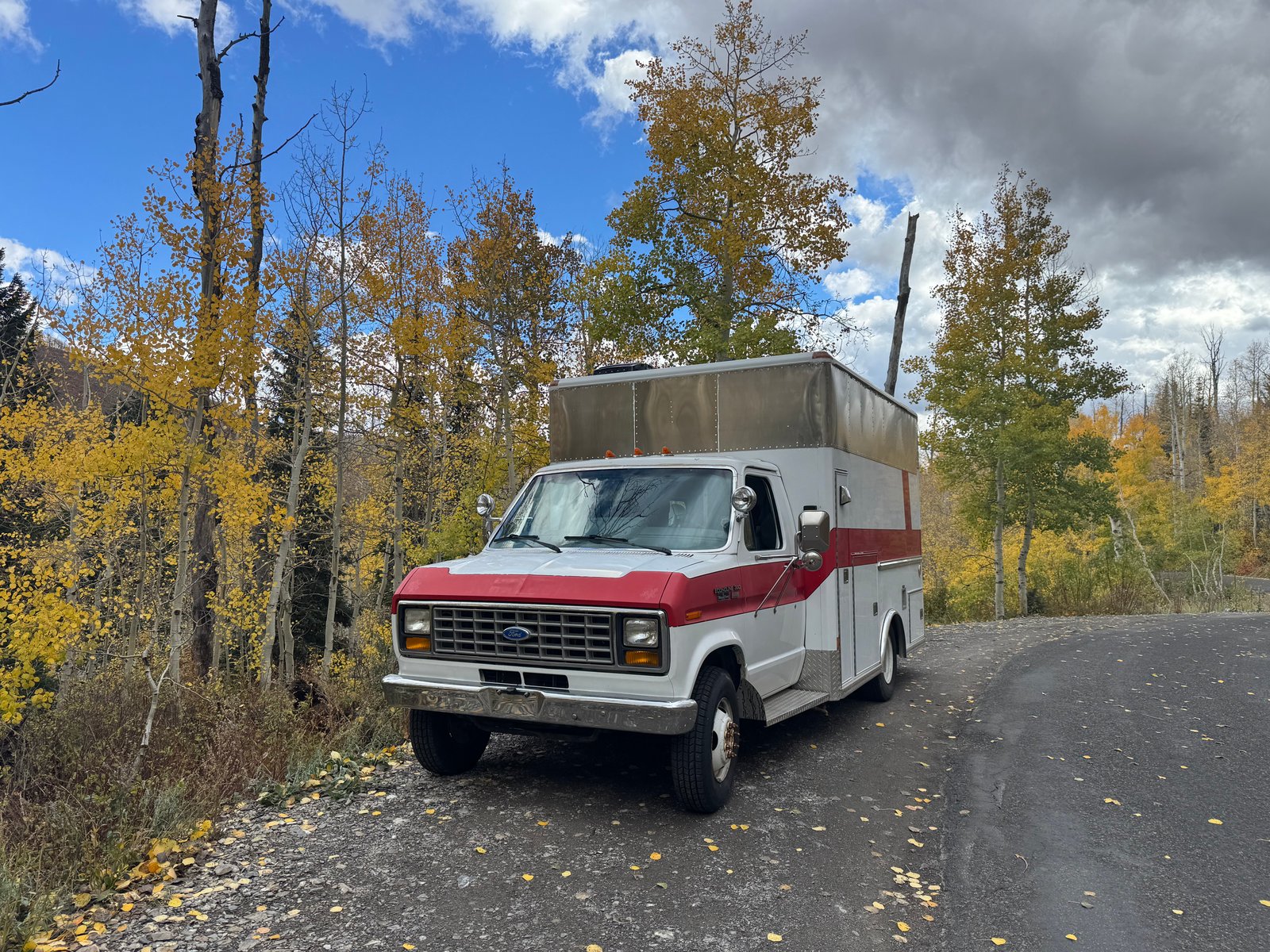
1990 Ford E350 Ambulance Conversion
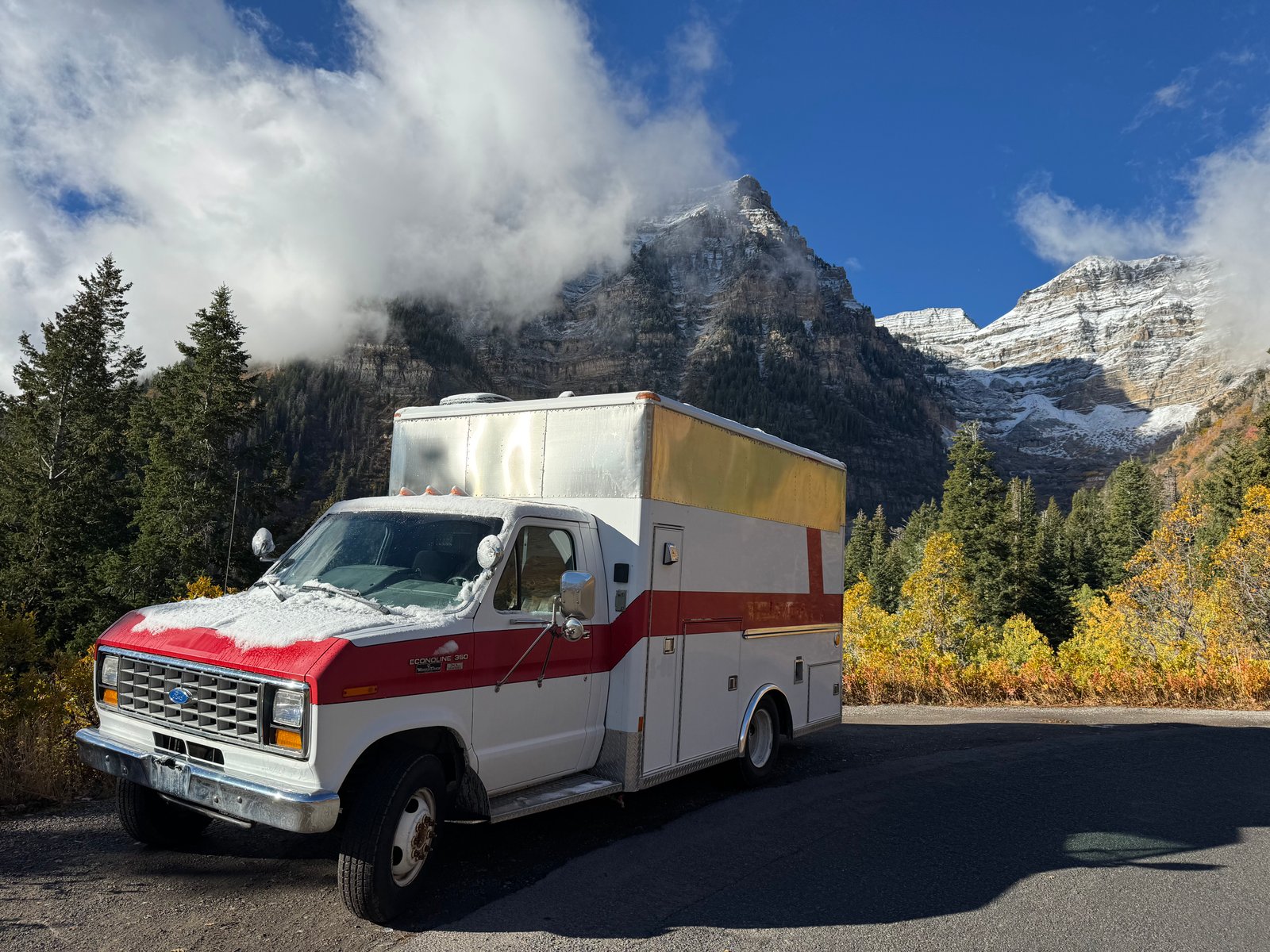
This retired 1990 Ford E350 ambulance is my ongoing project to turn a former emergency vehicle into a cozy, fully off-grid camper. What started as a tough, awkward shell with mystery wiring and limited headroom has become a design-and-build challenge centered around solar power, plumbing, climate control, custom storage, and a layout that actually feels good to live in.
One vehicle, one build, one page
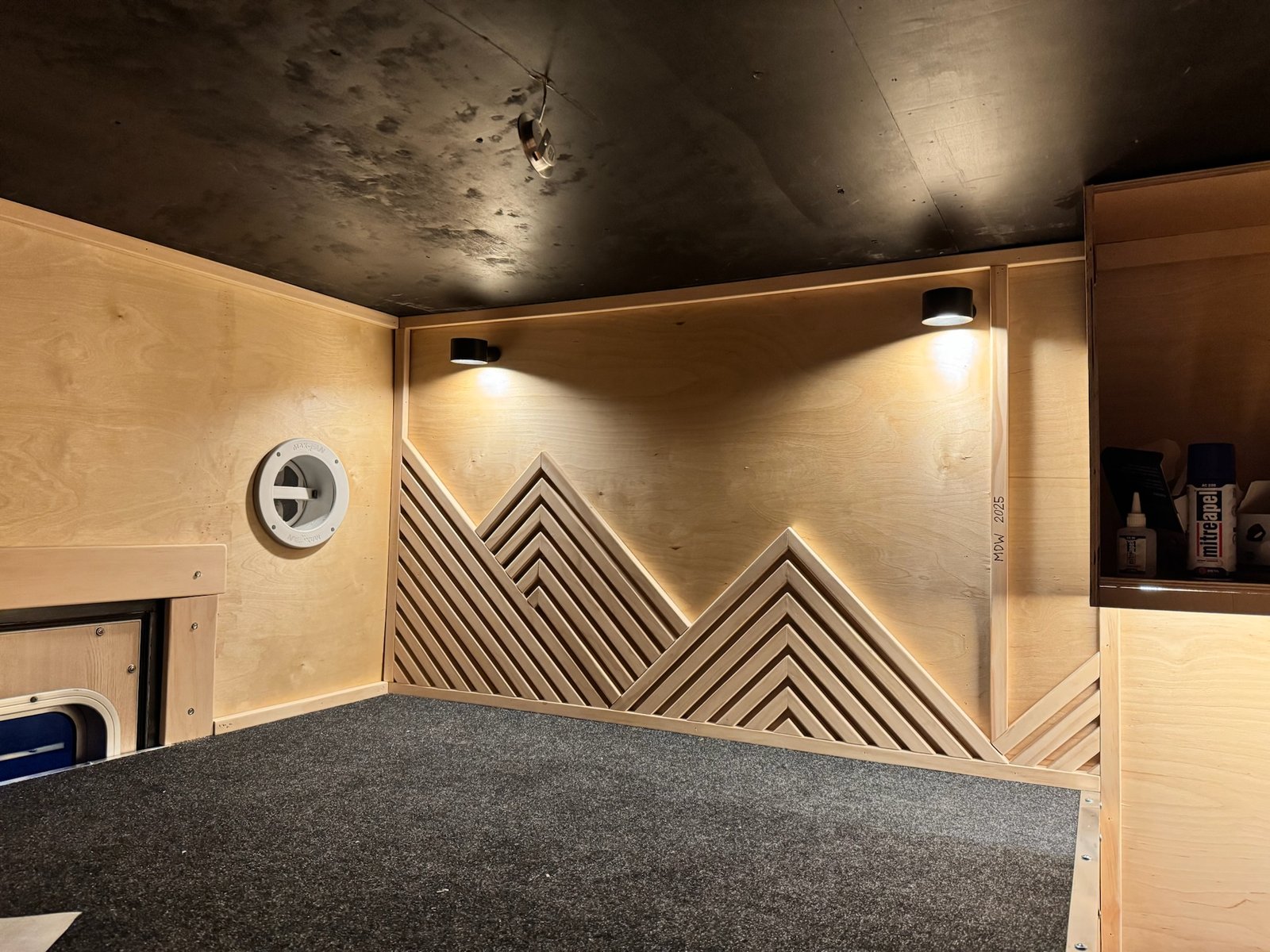
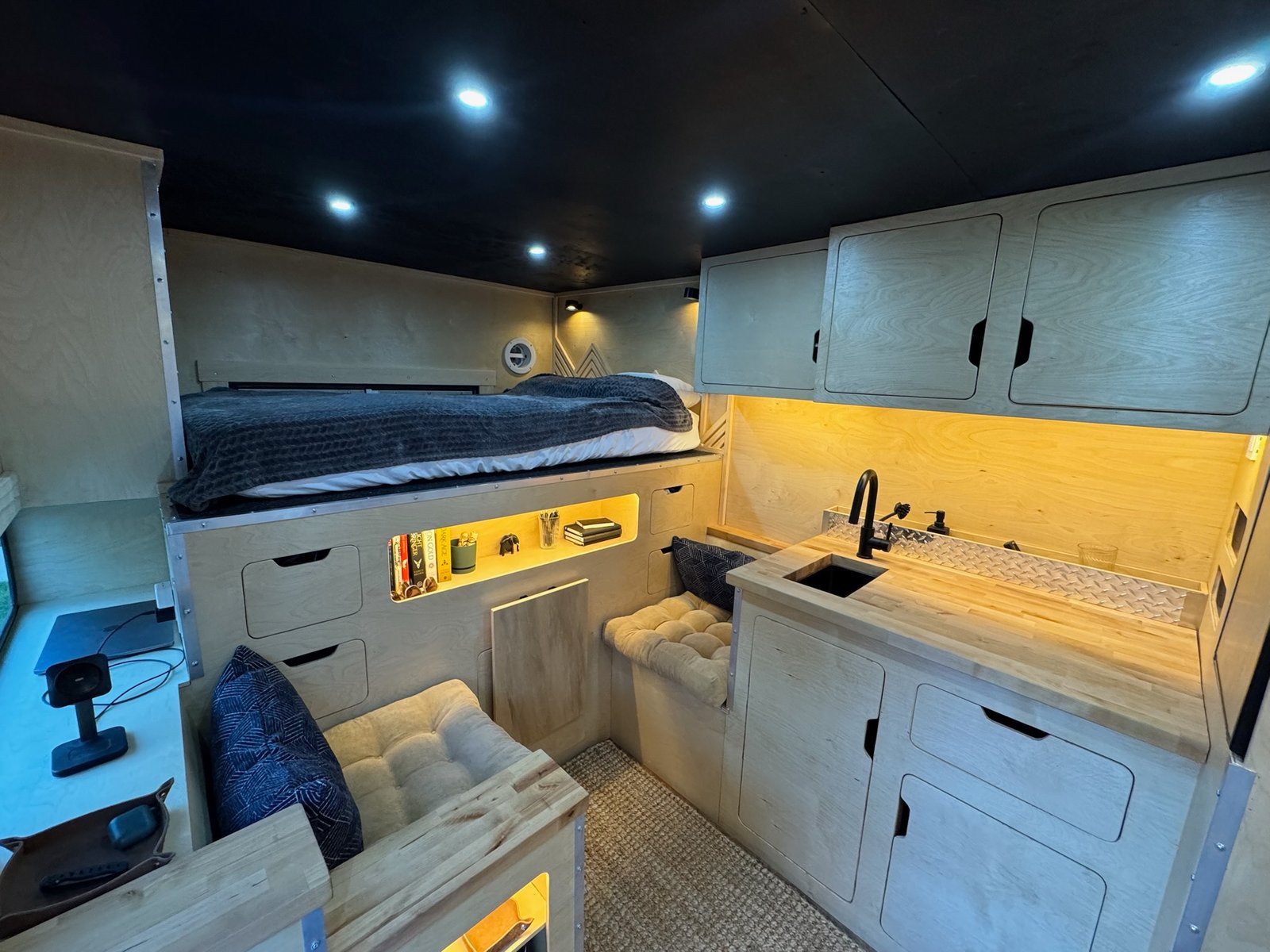
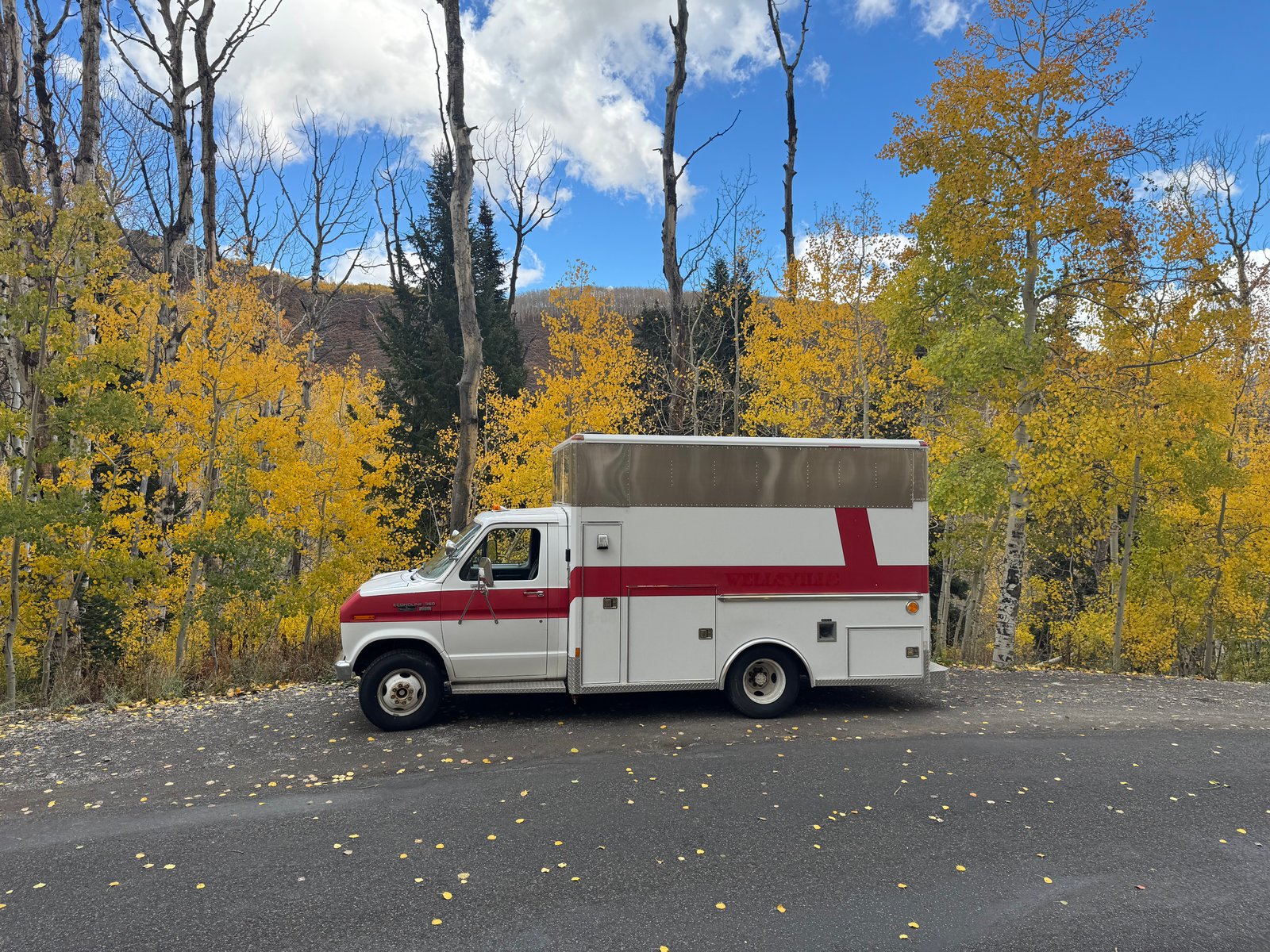
I wanted this page to show the whole story in one place: what makes an ambulance such a strong platform, what this specific build required, and how the finished space came together. The base vehicle is a retired 1990 Ford E350 ambulance with a heavy-duty chassis, built-in compartments, and tons of electrical routing from its previous life. I am converting it into an off-grid camper that can support long trips with solar power, water, ventilation, and thoughtful storage while still looking clean and intentional inside.
The Base Vehicle
Ambulances are built like tanks. They come with reinforced bodies, strong suspension, exterior compartments, and wiring pathways that make them a surprisingly great foundation for a camper.
The Challenge
An older ambulance means unknown wiring, limited interior height, awkward shapes, and the need to fit a bed, storage, plumbing, and a robust electrical system into a tight footprint while staying on a realistic student budget.
The Solution
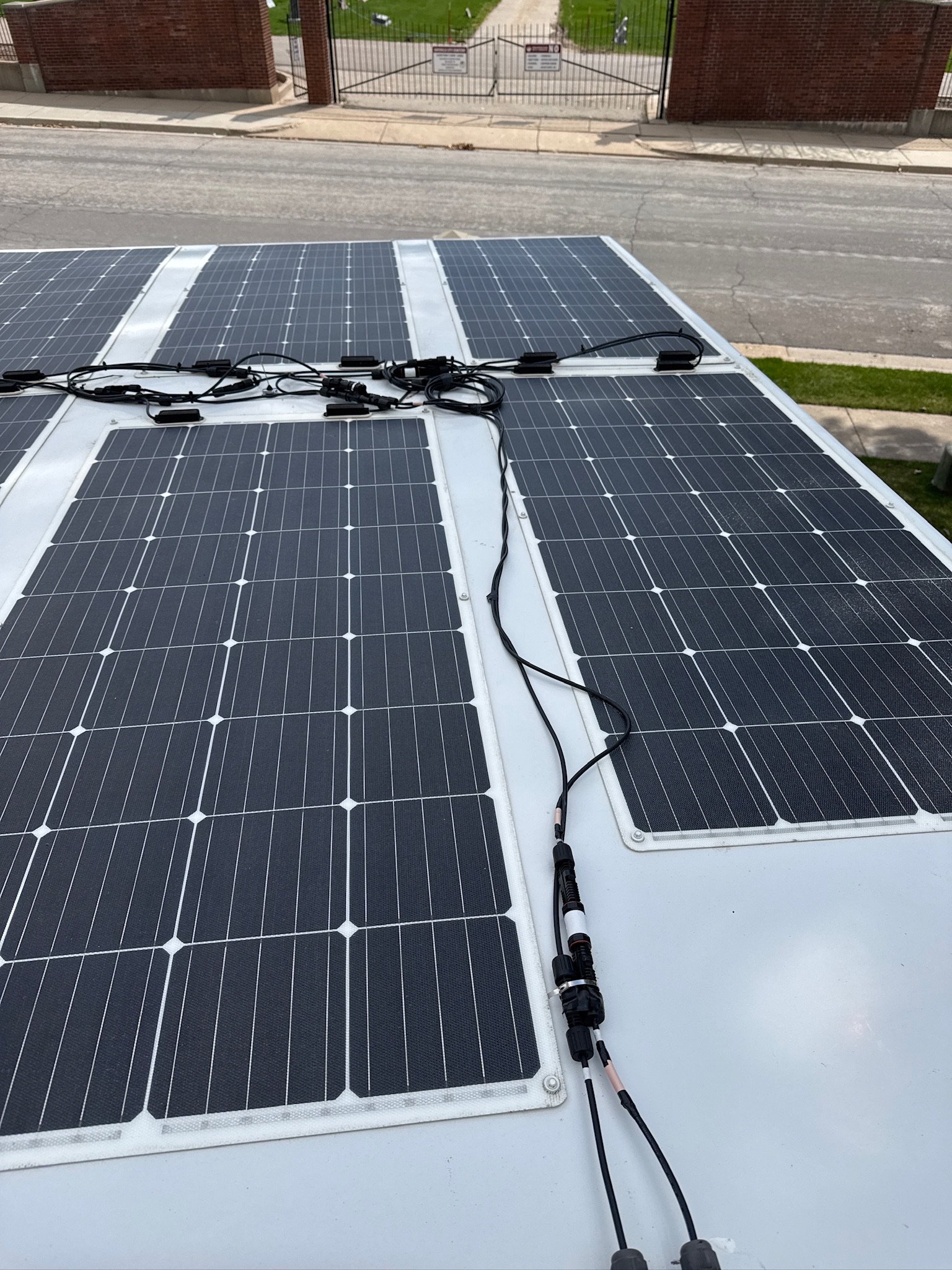
I raised the roof for standing room, designed a high-voltage solar setup with Renogy 48V lithium batteries and flexible roof-mounted panels, added a tankless water heater for the sink and shower, and custom built the cabinetry, bed, seating, and storage to make every inch count.
Why convert an ambulance?
Ambulances are rugged, insulated, and already packed with electrical infrastructure. That gives them a huge head start for camper conversions, especially if you want something stealthy, durable, and capable of real off-grid living.
Built Like a Tank
- Heavy-duty electrical systems and wiring channels
- Reinforced frame and suspension
- Already insulated for extreme temperatures
Stealthy and Unique
- Does not look like a typical RV
- Lots of exterior storage compartments
- Unique shapes that open up creative layout ideas
Ready for Off-Grid Power
- Roof space for solar panels
- Plenty of room for batteries and inverters
- Strong platform for long-term travel and content creation
Design Without Rules
- Custom cabinets, feature walls, and hidden storage fit naturally
- The boxy shell is easier to build in than many vans
- The finished build can fully reflect your own style and routines
Pros
- Already insulated for extreme temperatures
- Heavy-duty electrical systems and wiring pathways
- Very strong frame and body structure
- Stealthy appearance and unique layout possibilities
Tradeoffs
- Lower fuel economy because of the weight
- Irregular interior shapes that take more planning
- Parking and road access can be more limited than a van
- Original emergency wiring often requires careful removal or redesign
Types of ambulances and how to find one
Not all ambulances are built the same, and finding the right one matters. Understanding the platform types, where retired units show up for sale, and what to inspect before buying can save a lot of money and frustration later in the build.
Type I
Built on a heavy-duty truck chassis with a modular box. Known for durability and strong load capacity, with a separate box that is straightforward to modify.
Type II
Built on a van chassis like a Ford Transit or Chevy Express. These are smaller, more fuel-efficient, and easier to maneuver, but with less interior space than Type I or III builds.
Type III
Similar to Type I, but on a cutaway van chassis with a walk-through connection from cab to box. Great for van-life layouts and strong electrical systems.
Medium-Duty / Rescue
Larger commercial-grade units used for rescue work. Extremely spacious and infrastructure-heavy, though harder to maneuver and park.
Online Marketplaces
- Facebook Marketplace is one of the best places to find retired ambulances at good prices.
- Craigslist still turns up older listings and project vehicles.
- GovDeals and PublicSurplus.com are great for municipal auction units.
- eBay Motors occasionally has decommissioned ambulances from private EMS companies.
Local Sources
- Contact local fire departments or EMS agencies directly.
- Ask city or county fleet services departments about retirement schedules.
- Watch local auction houses that handle municipal vehicles.
- Some of the best deals never get listed publicly at all.
What to Inspect
- Maintenance records, especially on drivetrain and chassis service.
- Rust condition on the frame, floor, and lower body seams.
- Electrical system condition, even if you plan to rework it.
- Watertight doors, solid box structure, and engine type that fits your travel style.
How the conversion came together
Every build is different, but this one followed a clear arc: planning, demolition, structure, systems, plumbing, and custom interior work. The goal throughout was to build something durable, comfortable, and easy to live in full time.
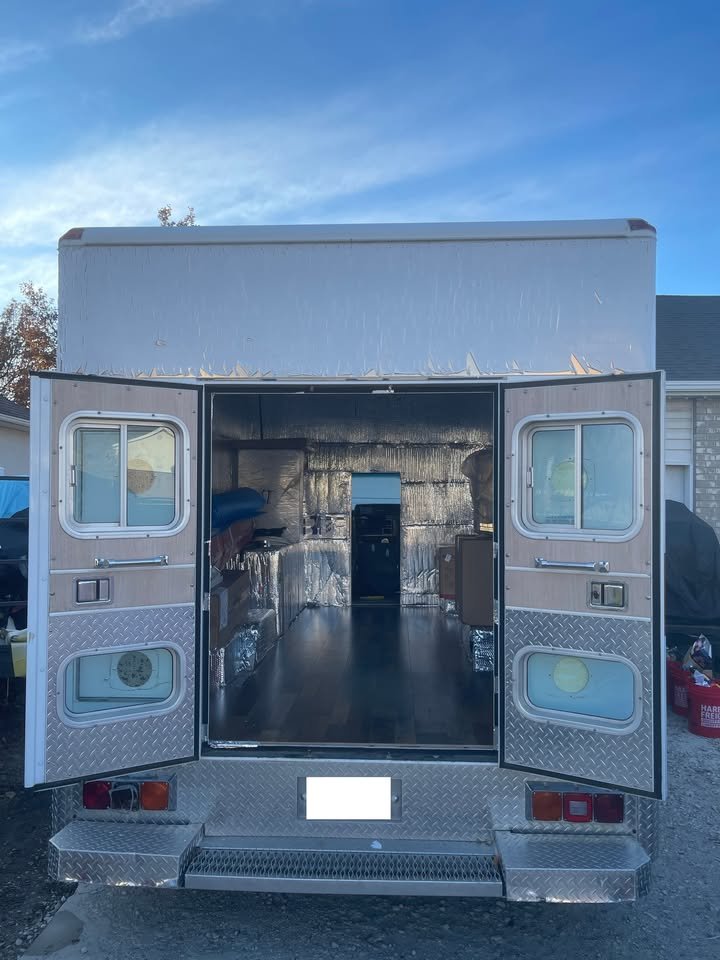
Demo day and planning the layout
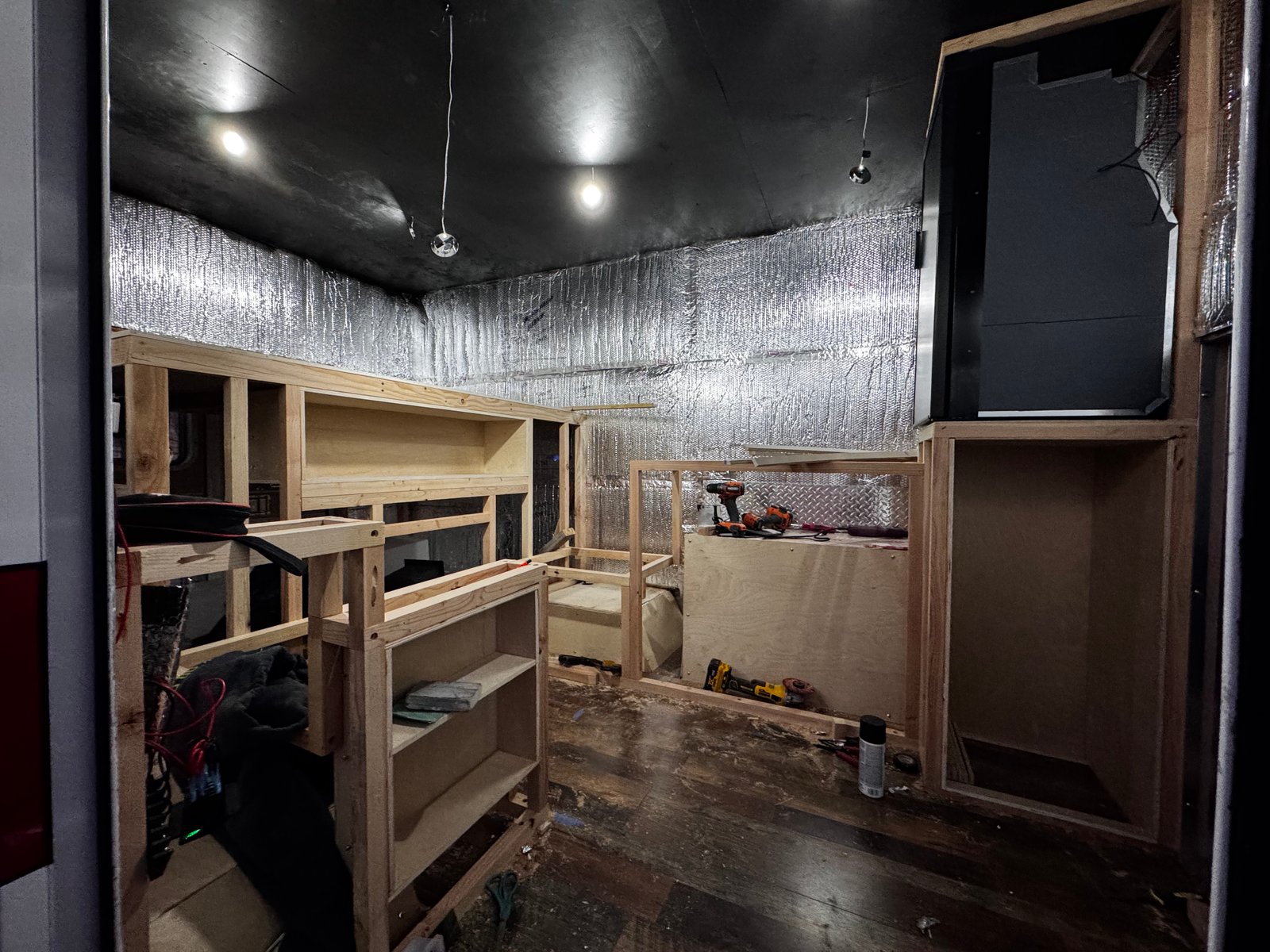
The first phase was gutting the original interior, removing old medical cabinets and equipment, measuring the shell, and deciding on the bed, kitchen, storage, and utility layout.
Raising the roof and shaping the shell
One of the biggest upgrades was raising the roof over the ambulance box to create real standing room. Framing, sealing, and weatherproofing this section changed the build from cramped to livable.
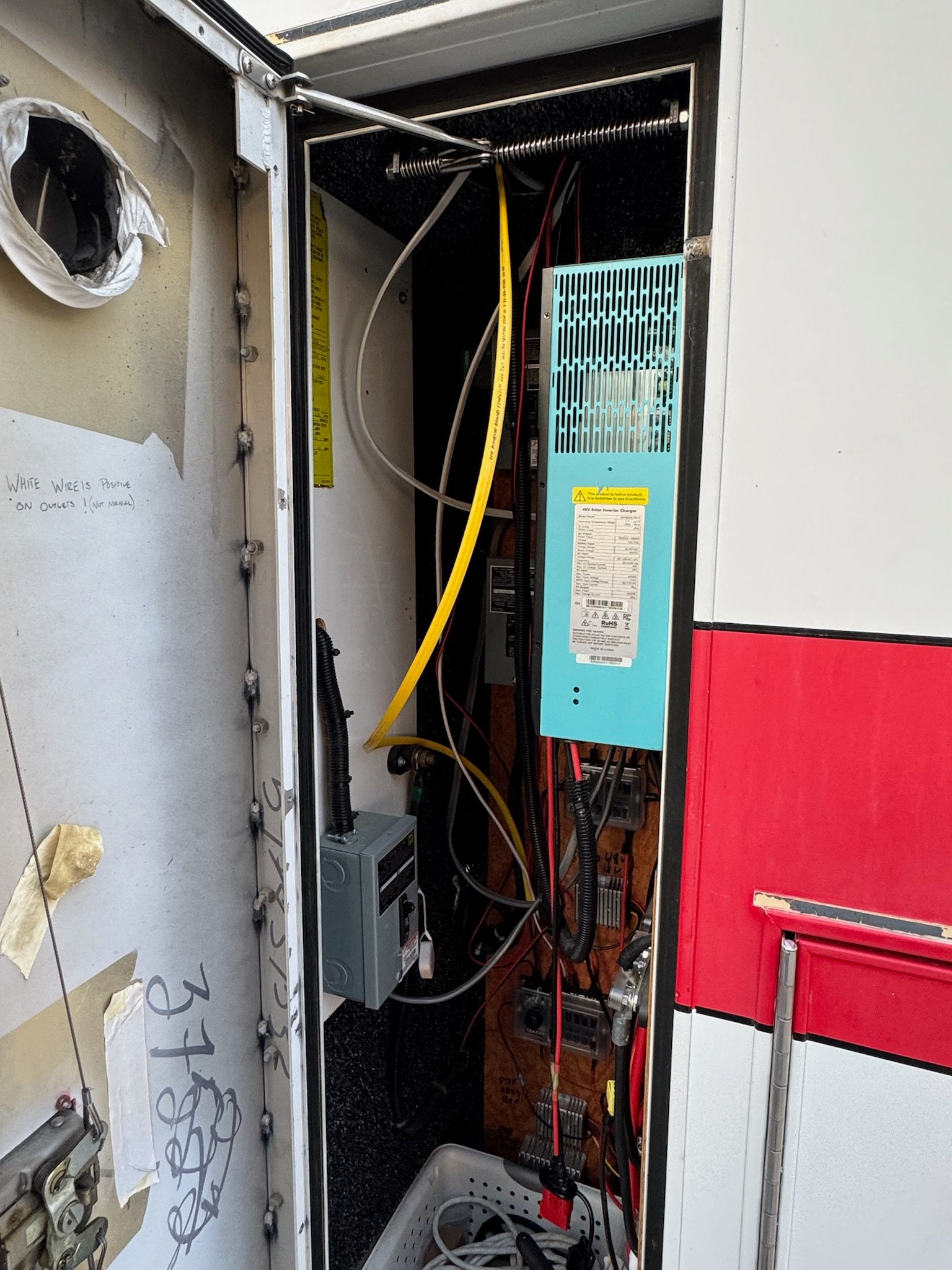
Electrical and solar design
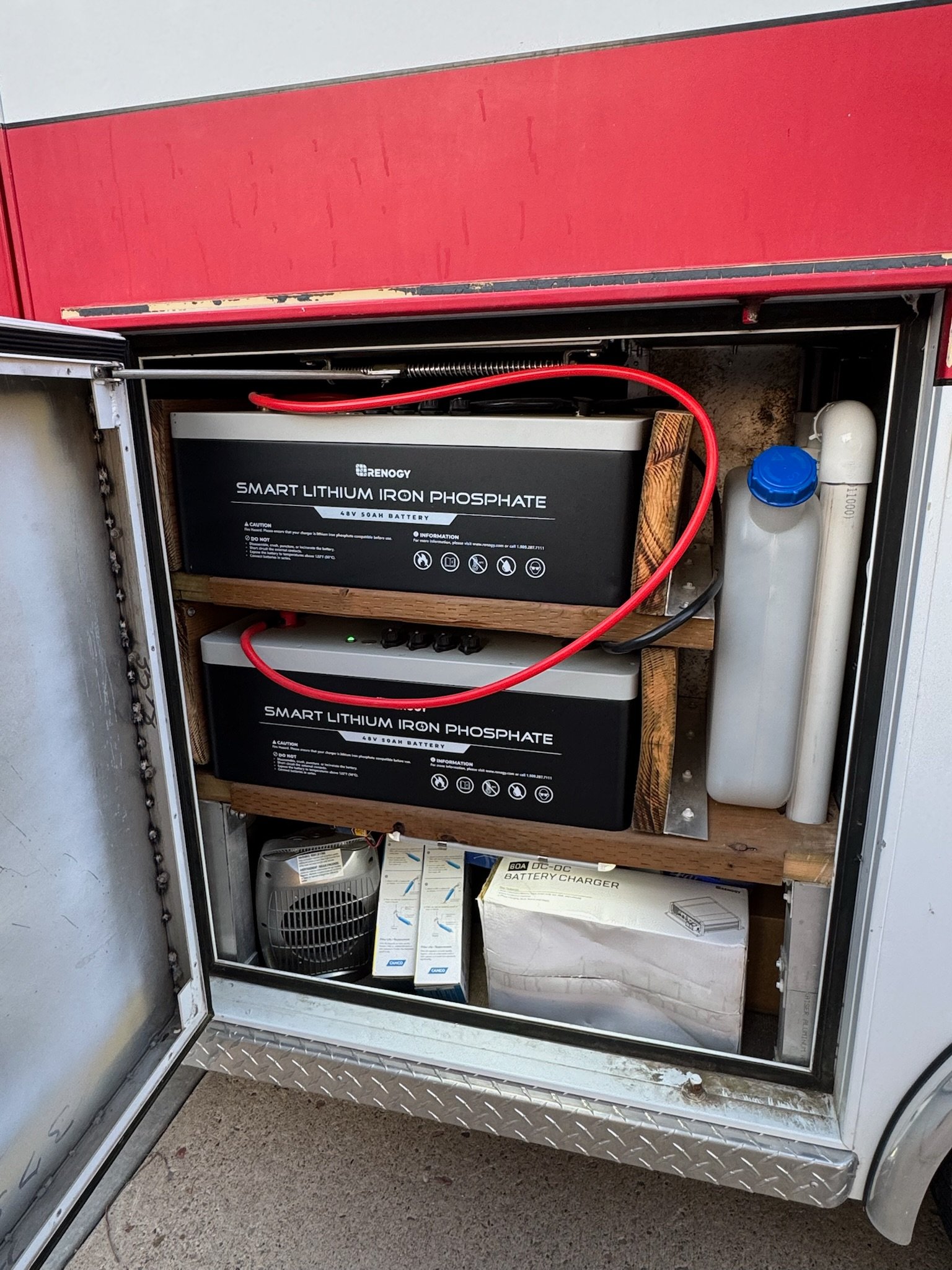
The off-grid system was designed around 48V Renogy lithium batteries, flexible roof-mounted solar panels, and clean wiring runs that can support lights, fans, charging, and future appliances safely.
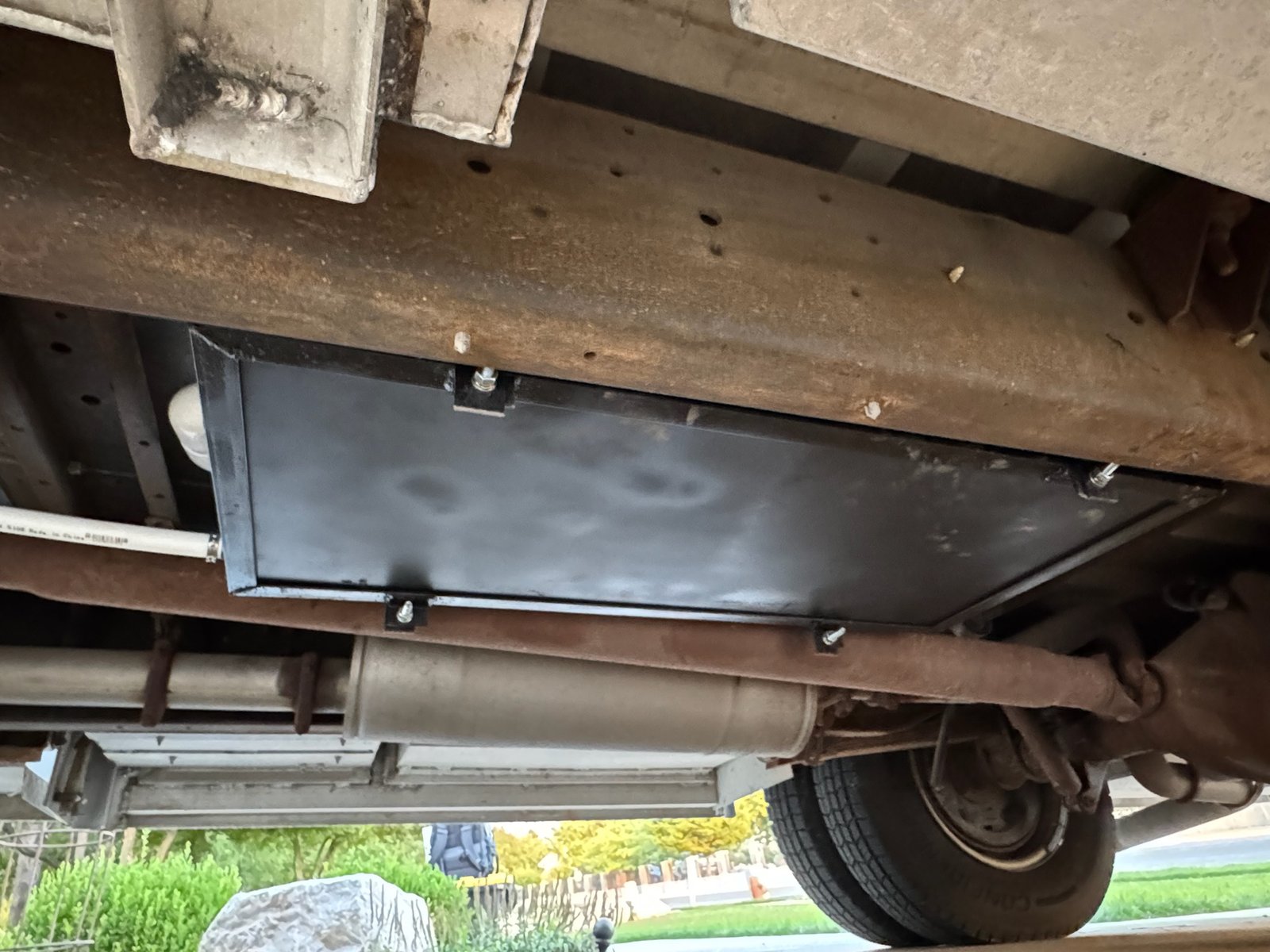
Plumbing the shower and sink
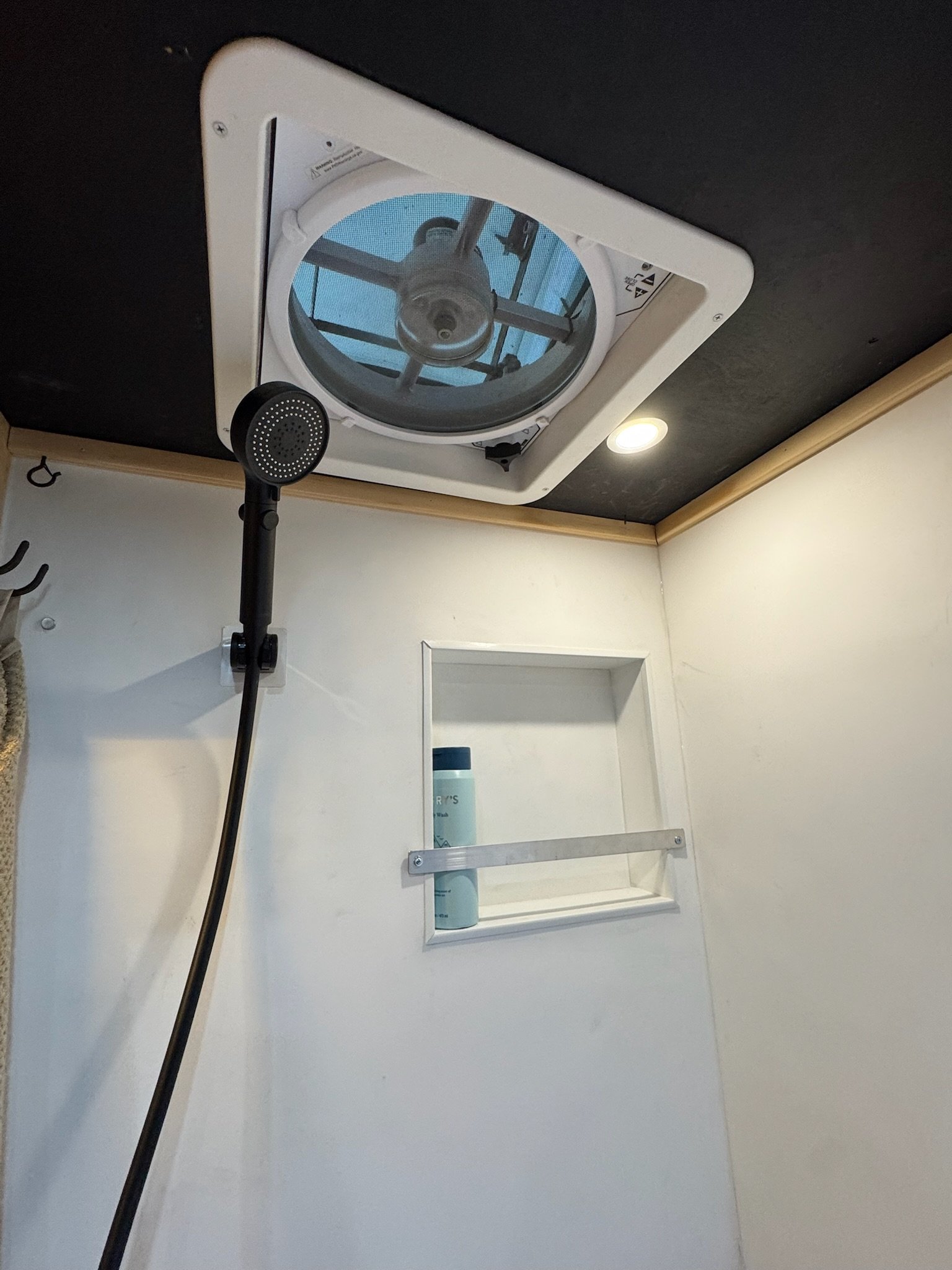
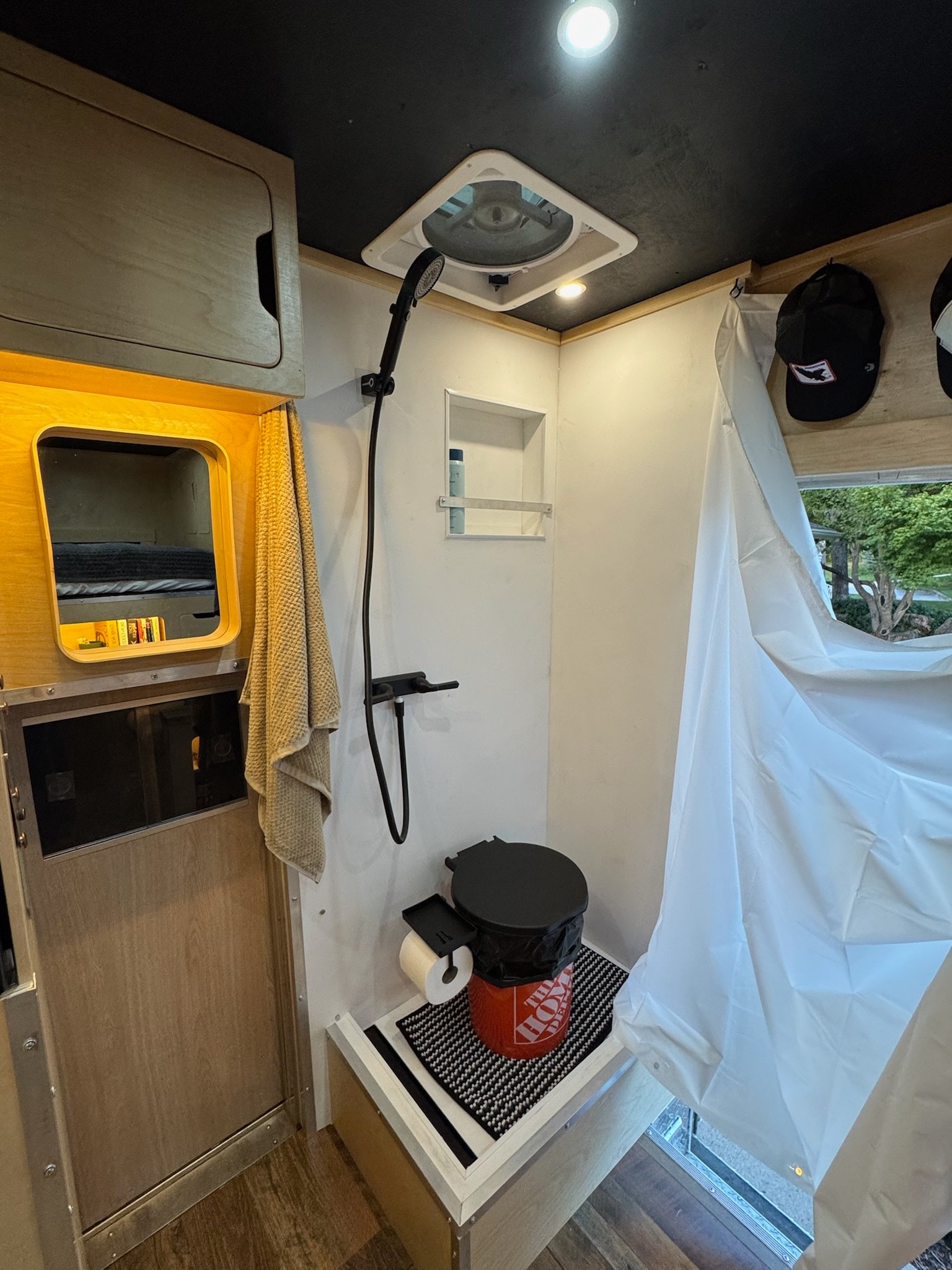
Plumbing included the shower, sink, under-mount water tank, and a tankless water heater. Getting drain routes and tank placement right was key for off-grid usability and everyday comfort.
Building custom cabinets and storage
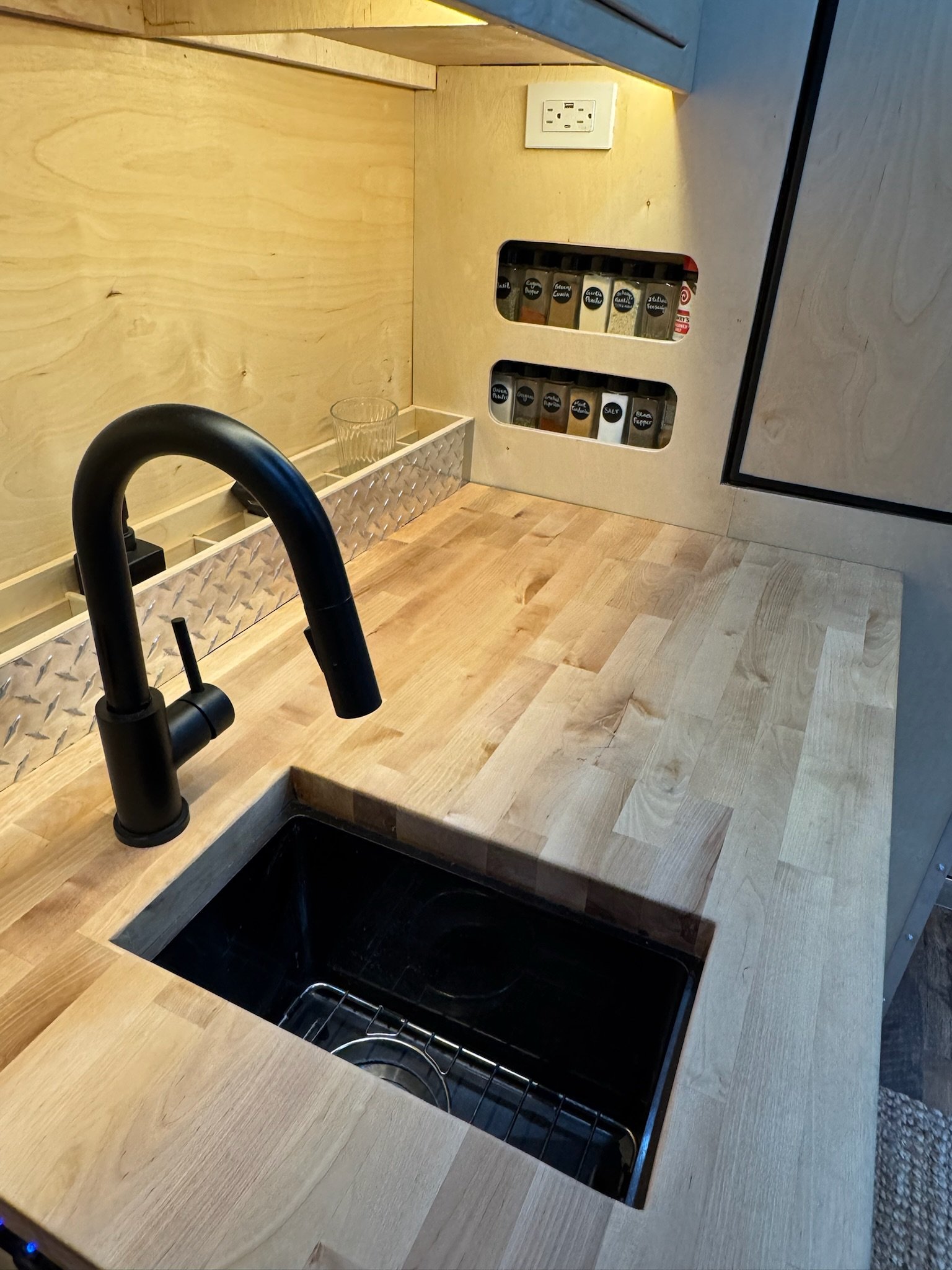
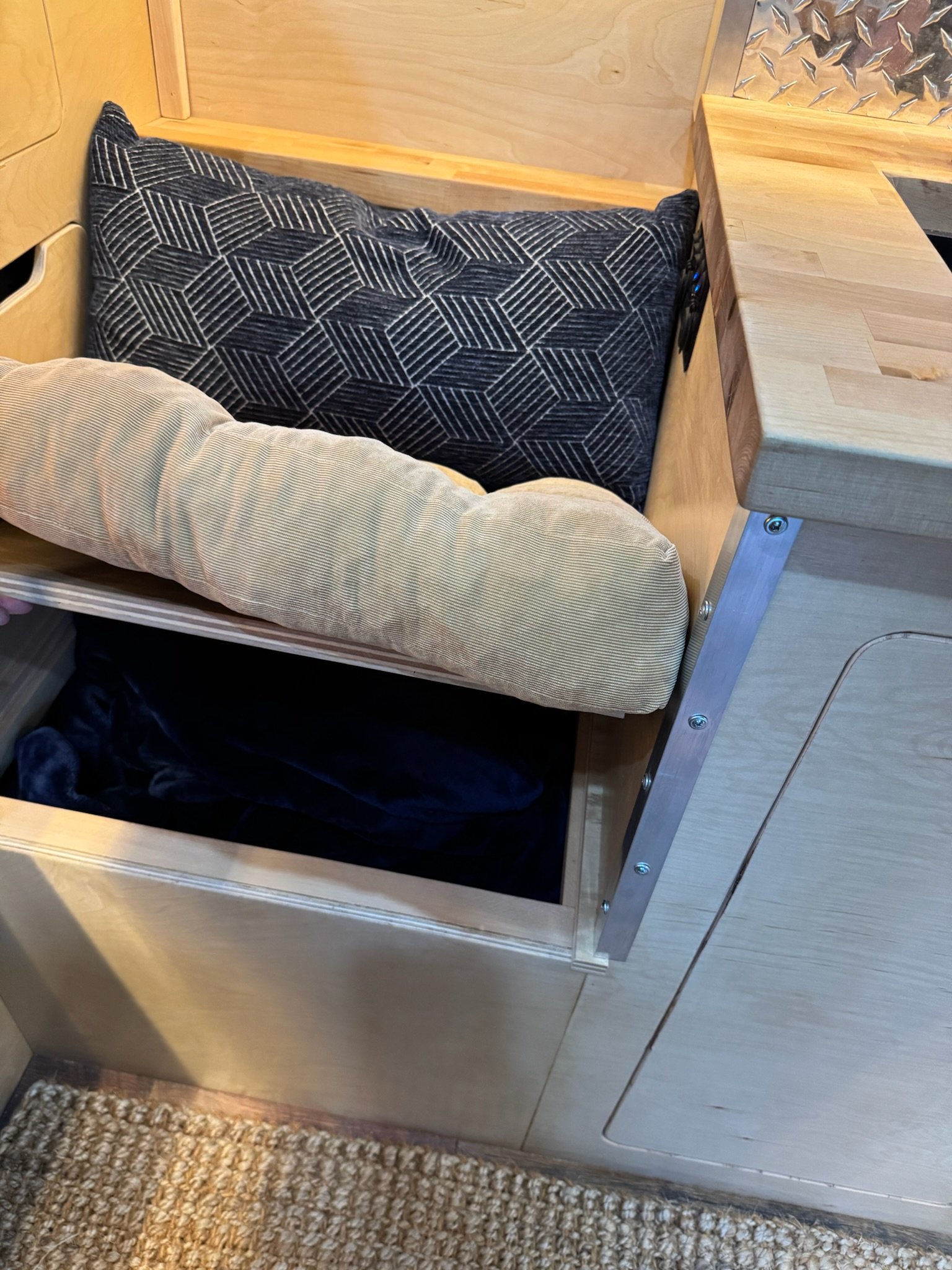
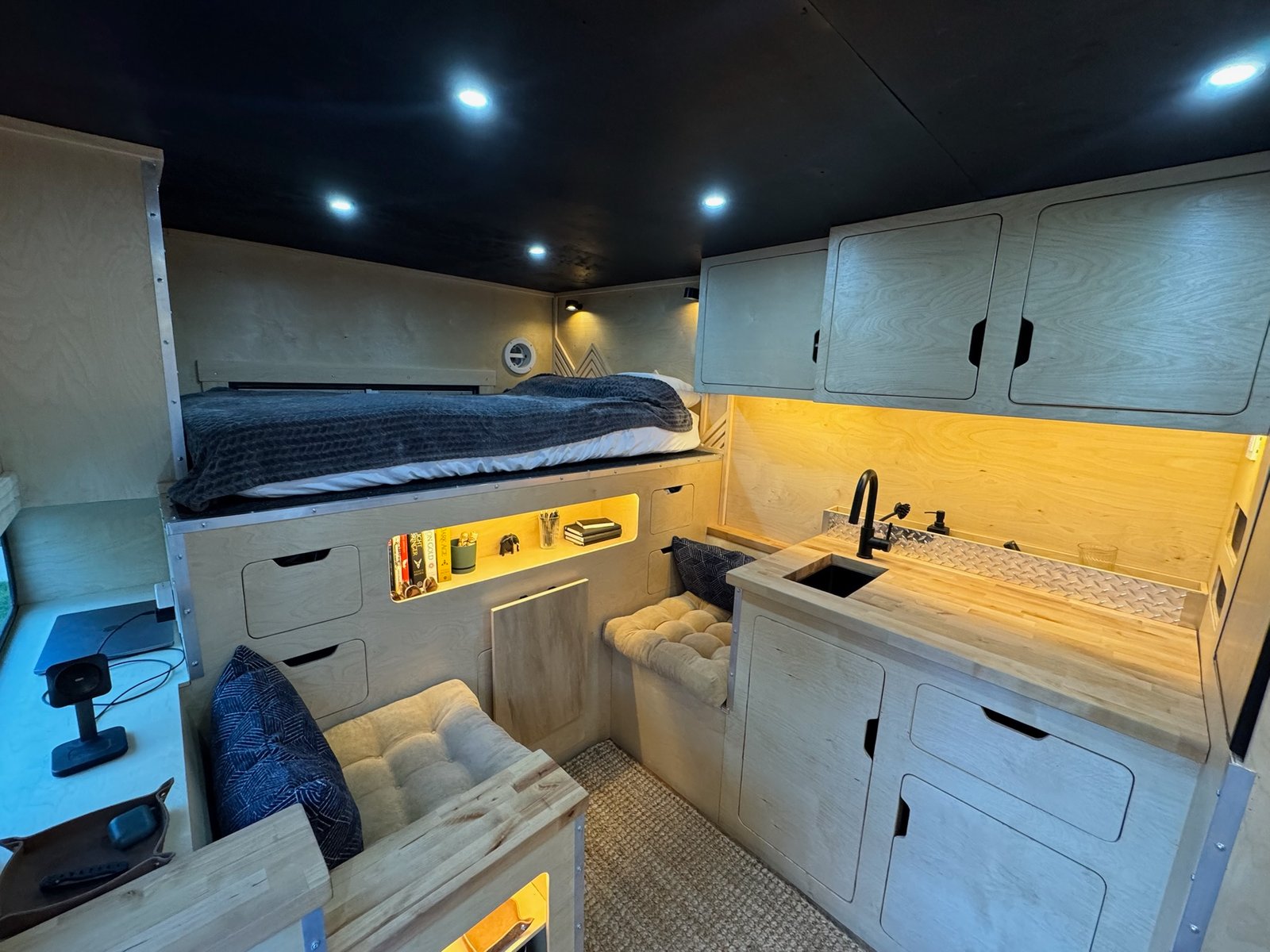
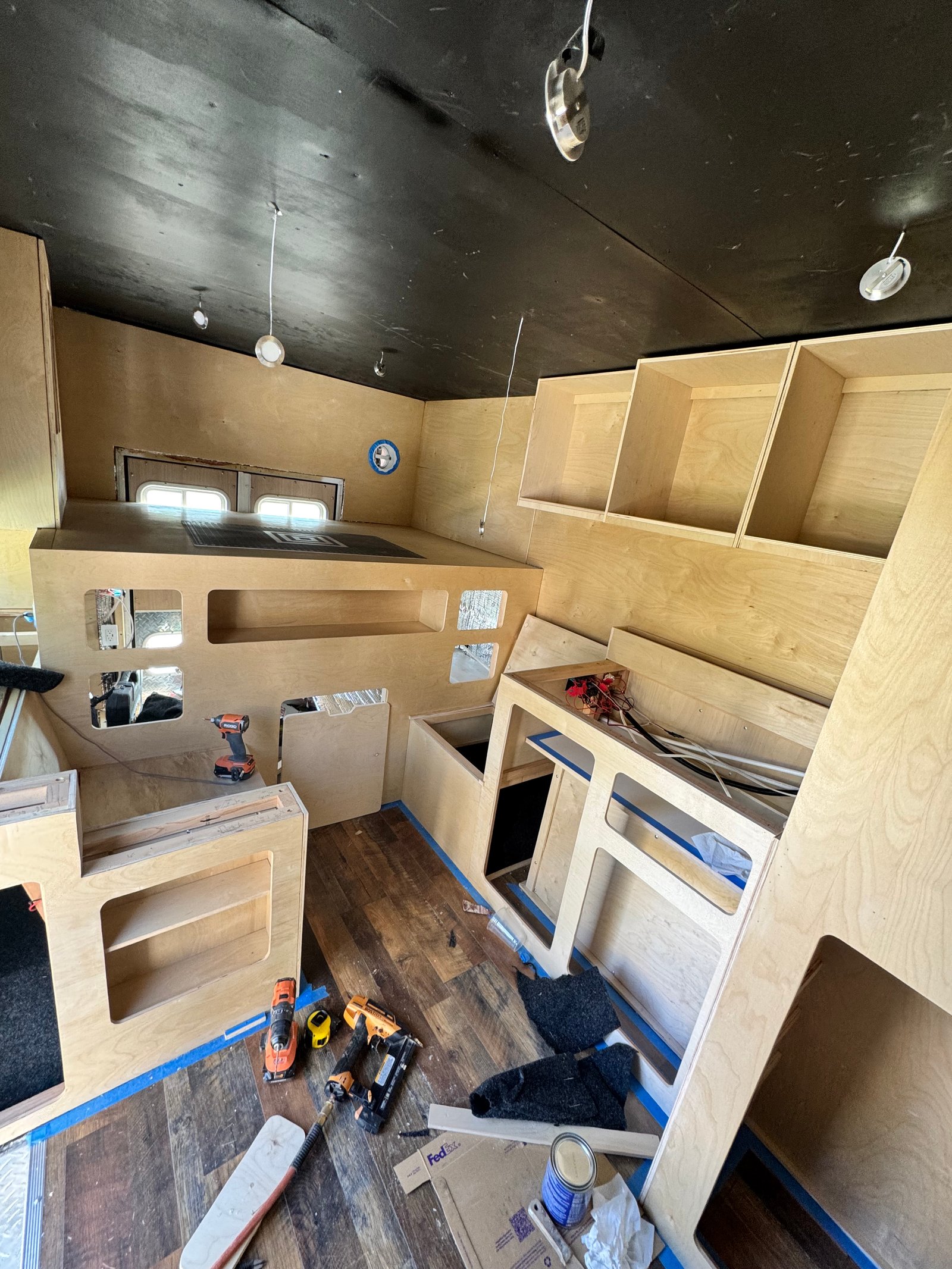
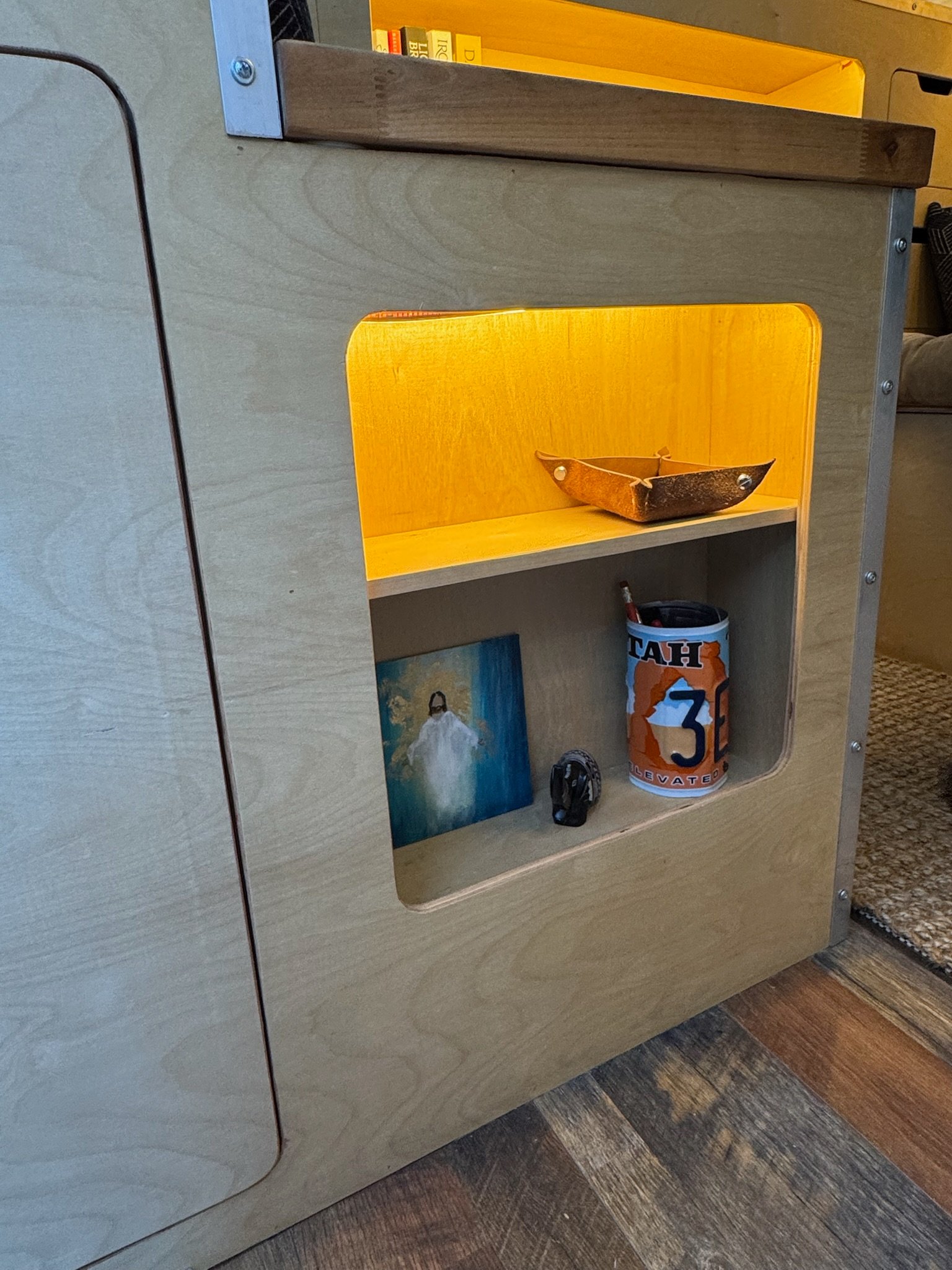
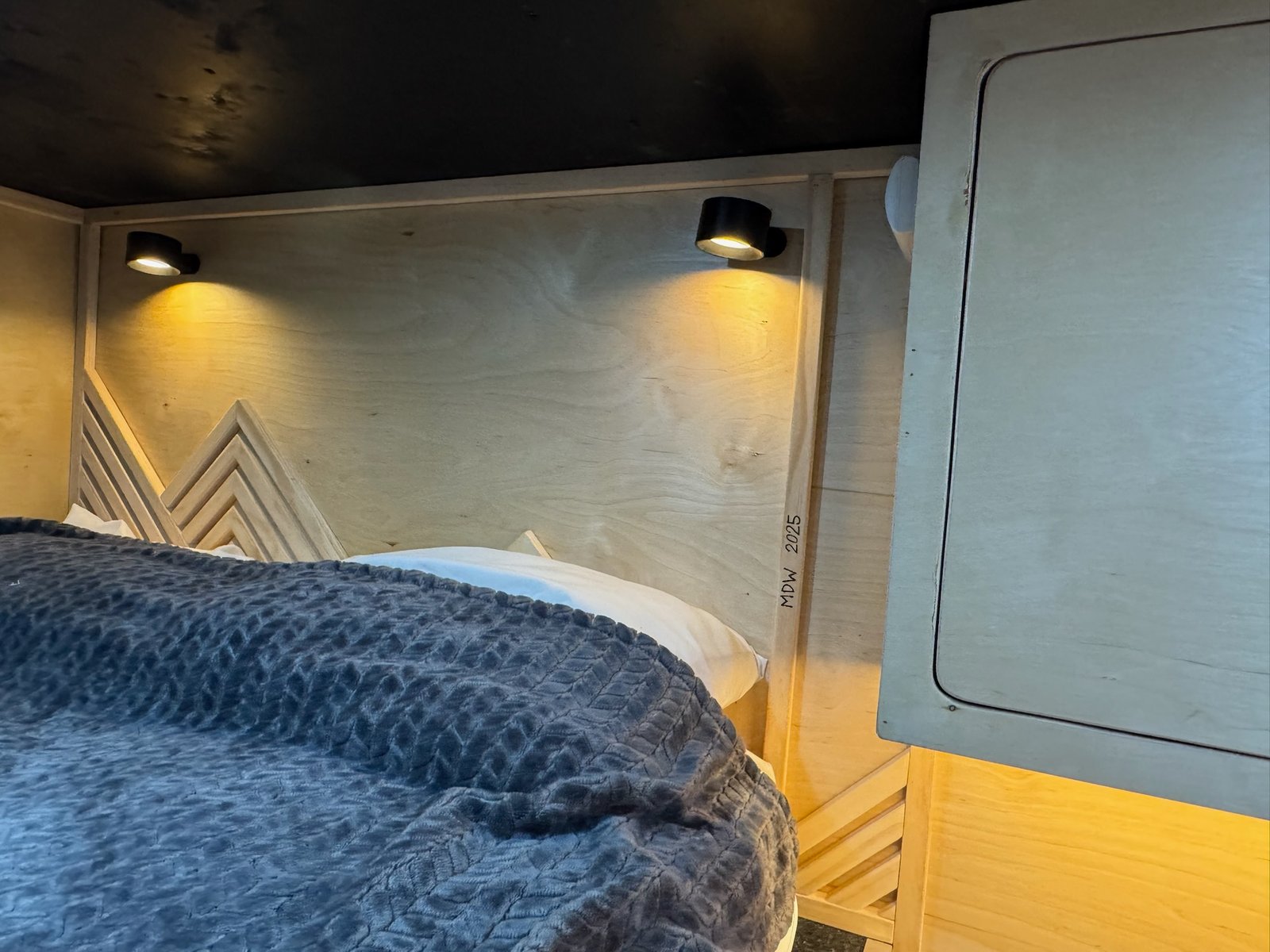
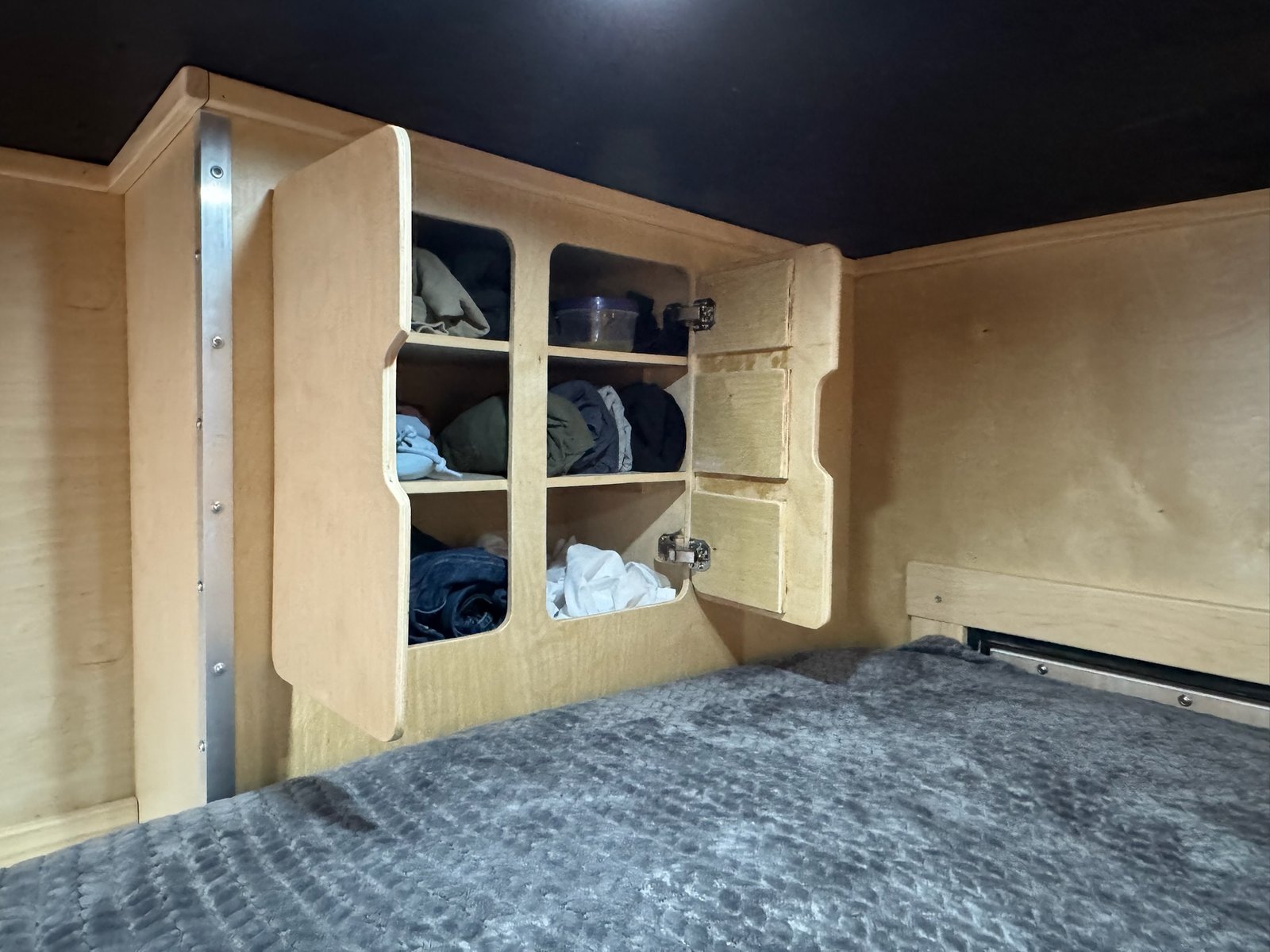
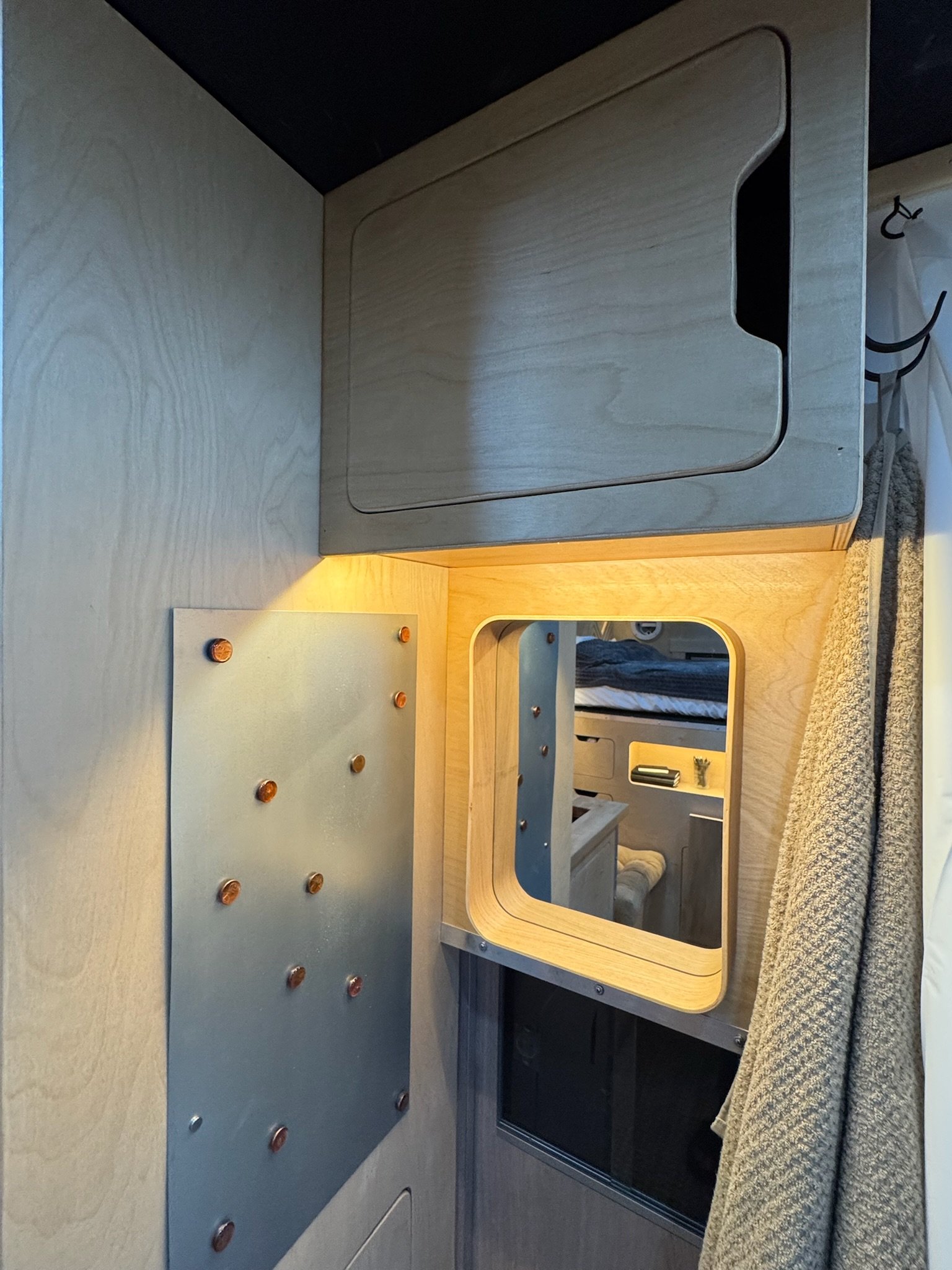
Every drawer, shelf, bench, and cabinet was built to fit the exact dimensions of the walls, wheel wells, and awkward corners. The layout uses a fixed bed, built-in seating, hidden storage, and a clean visual rhythm throughout.
Finishing comfort, airflow, and personality
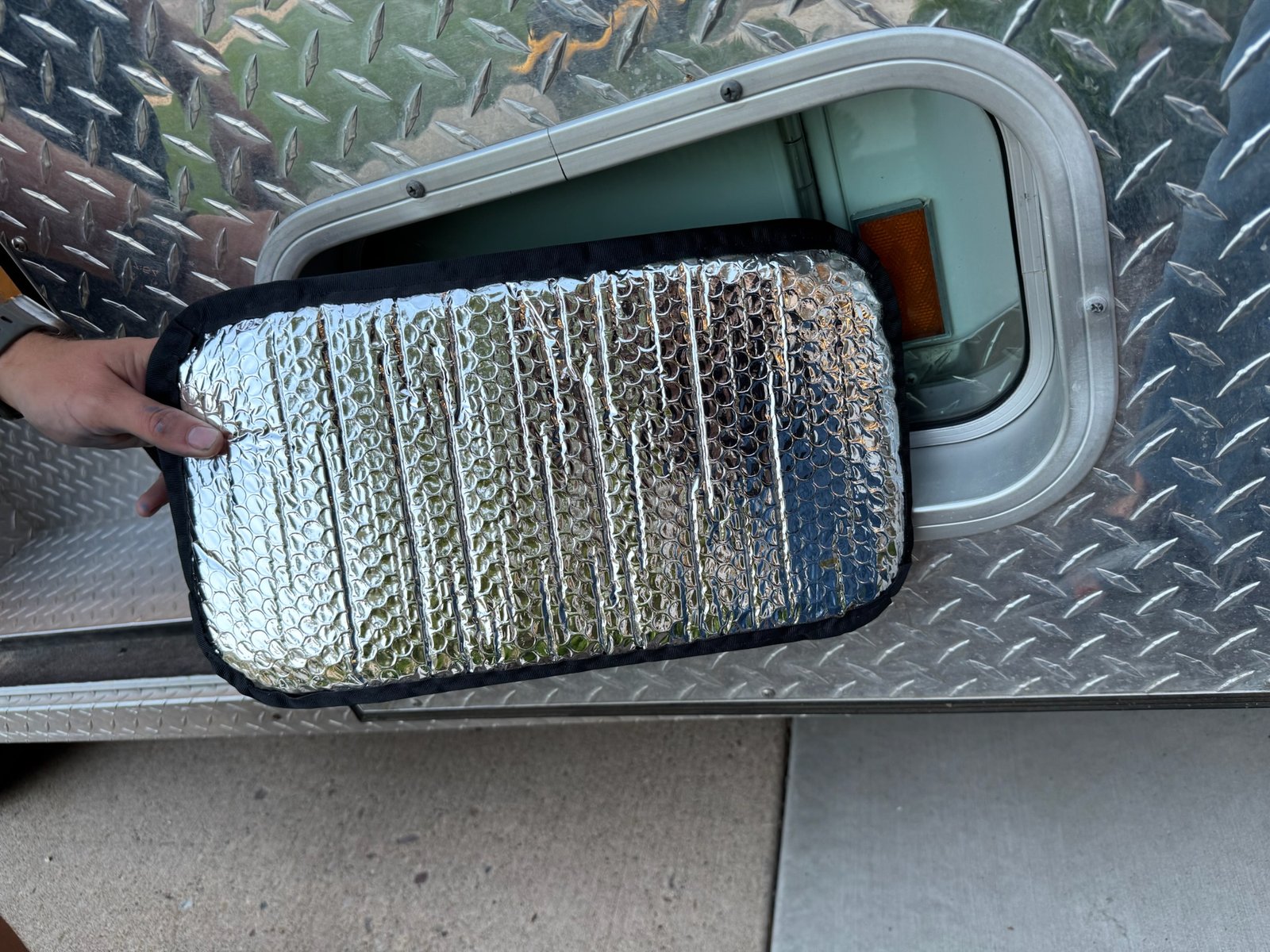
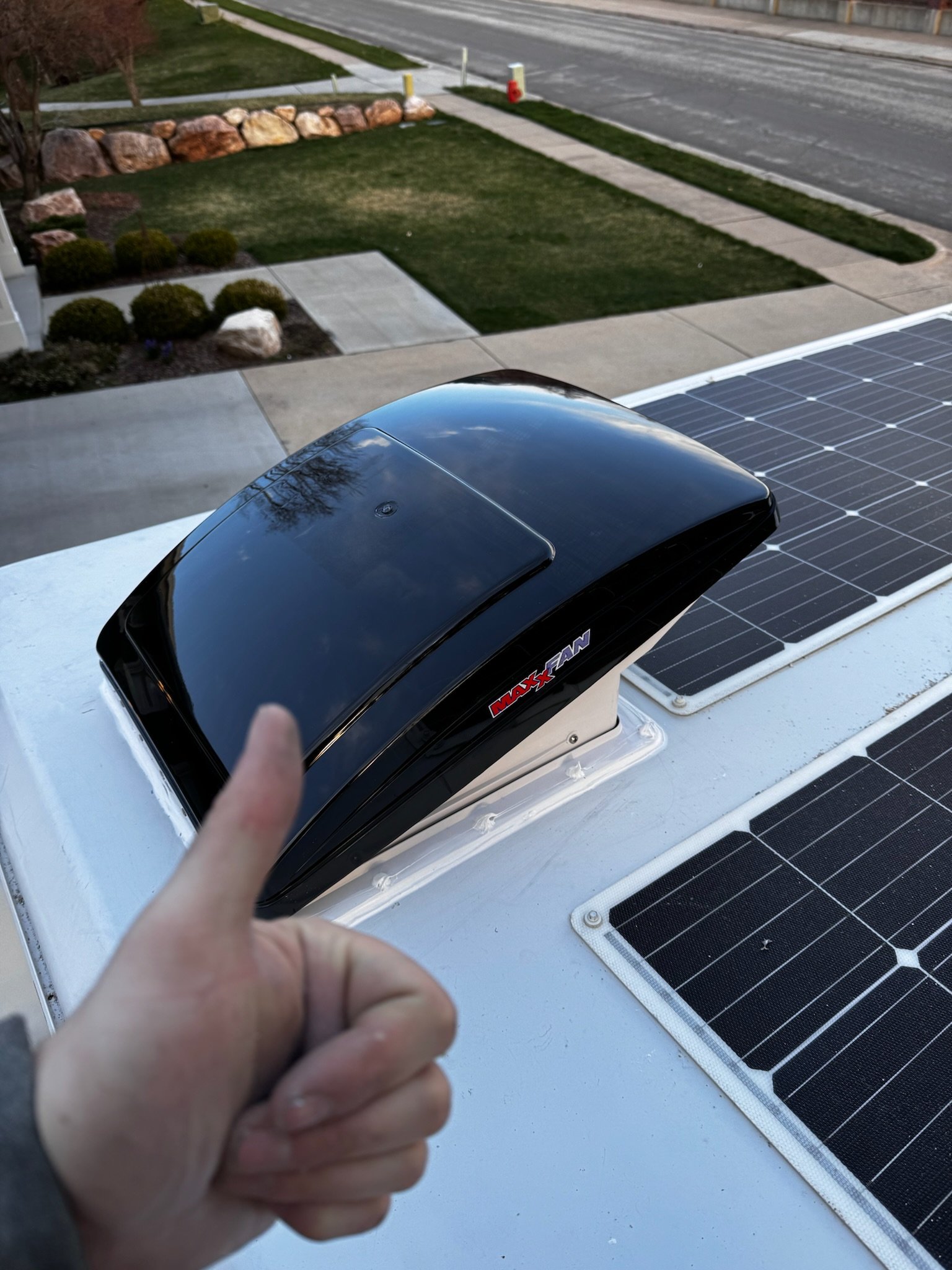
Ceiling and wall fans, insulated blackout window covers, wood detailing, and lighting brought the build together. The result feels less like a stripped work truck and more like a tiny home designed to be lived in.
The practical pieces that make it livable
A good conversion is more than one pretty room. It has to work day to day, support how you travel, and fit the realities of power, climate, storage, and movement inside a compact footprint.
Off-grid power
Ambulances are great platforms for off-grid electrical systems. Typical components include:
- Solar panels sized around your power needs
- Lithium battery banks for efficiency and usable capacity
- DC-DC charging while driving
- Inverters for 120V appliances
- Optional shore power for plug-in charging
Heating and cooling
Comfort matters if you want to stay out longer and use the rig in more climates.
- Diesel heaters for efficient cold-weather heat
- Vent fans for airflow and moisture control
- Mini-split AC if the solar system can support it
- Passive cooling with insulation, roof ventilation, and window covers
Layout ideas
Different ambulance builds lean in different directions depending on travel style.
- Rear bed layouts with storage underneath
- Side bench concepts for convertible seating
- Split kitchen layouts for balanced counter space
- Workstation-focused plans for creators and remote work
Key features in this build
- Raised roof across the ambulance box for full standing room
- Four 48V 50Ah Renogy lithium batteries
- Six 175W Renogy flexible solar panels
- Custom-built bed, cabinets, shelves, and hidden storage
- Tankless hot water with sink and shower plumbing
- Ceiling and wall fans for better ventilation
- Insulated blackout window covers for comfort and privacy
Seeing the transformation helps the whole project click
The project has moved through messy demo work, structural changes, systems installation, and all the custom finishing that makes it feel like a home. These images capture that arc from rough shell to livable space.
Before Conversion
The original rig before the build was cleaned up and reworked.
During the Build
Demo, framing, systems, and countless small decisions shaping the final layout.
After Conversion
A warmer, more functional tiny home on wheels built around daily usability.
Learning by actually doing it
I had wanted to build an ambulance camper for years, but getting started was intimidating. I did not know what I was doing at first, and that alone kept me from jumping in for a long time. Eventually I bought the ambulance, committed to figuring it out as I went, and that changed everything.
There were plenty of frustrating moments. When you are tearing things apart and questioning every decision, it is easy to wonder if you made a mistake. But doing the work yourself teaches you a lot. You gain confidence, learn new skills, and start to understand how everything fits together.
Friends, builders, people online, and a lot of YouTube videos helped fill in the gaps. Looking back, I am incredibly glad I finally went for it. It is one of the most rewarding projects I have ever done, and now I get to enjoy the finished build while living in it full time knowing I created it with my own hands.
A closer look at the finished spaces and systems
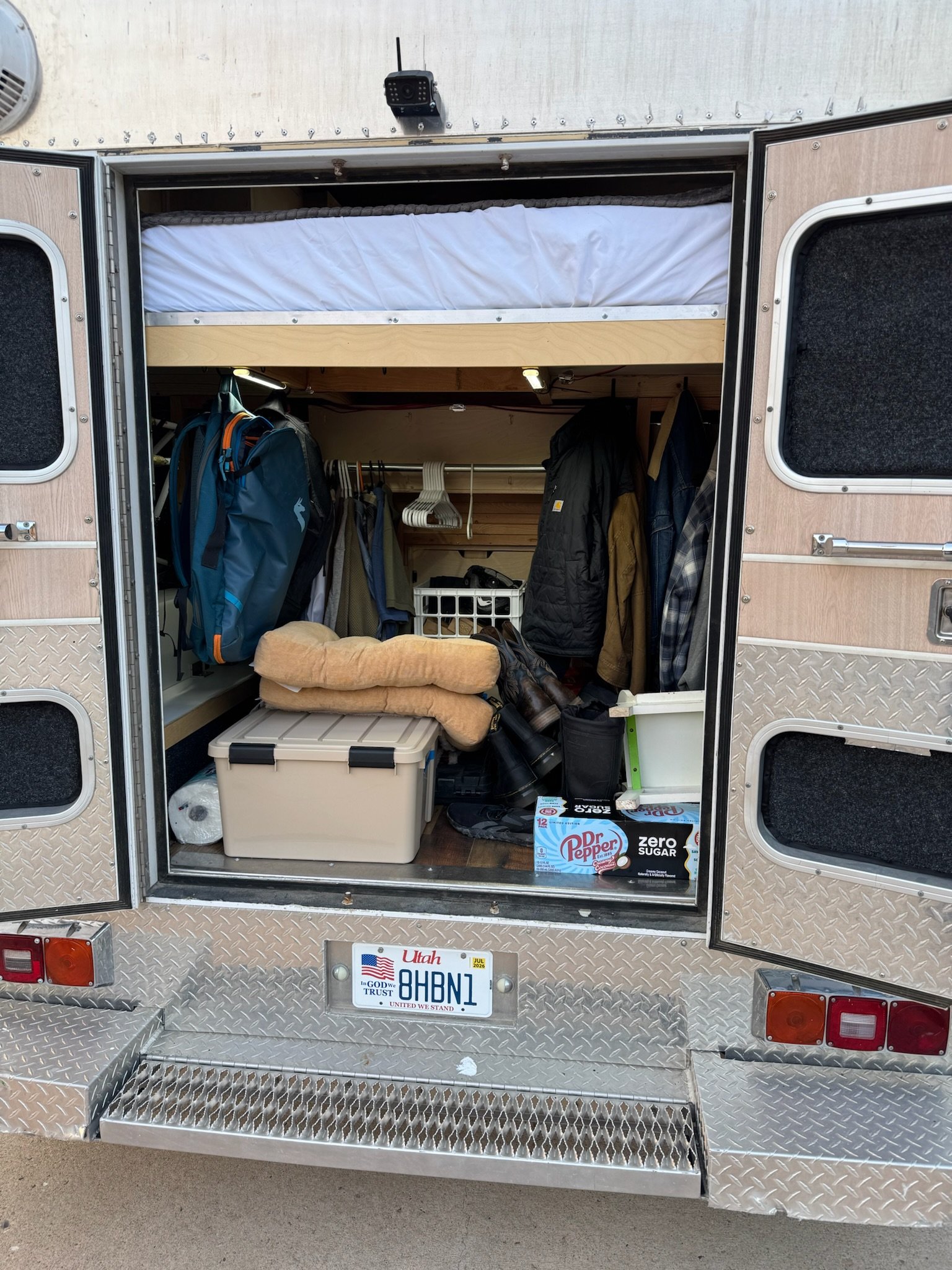
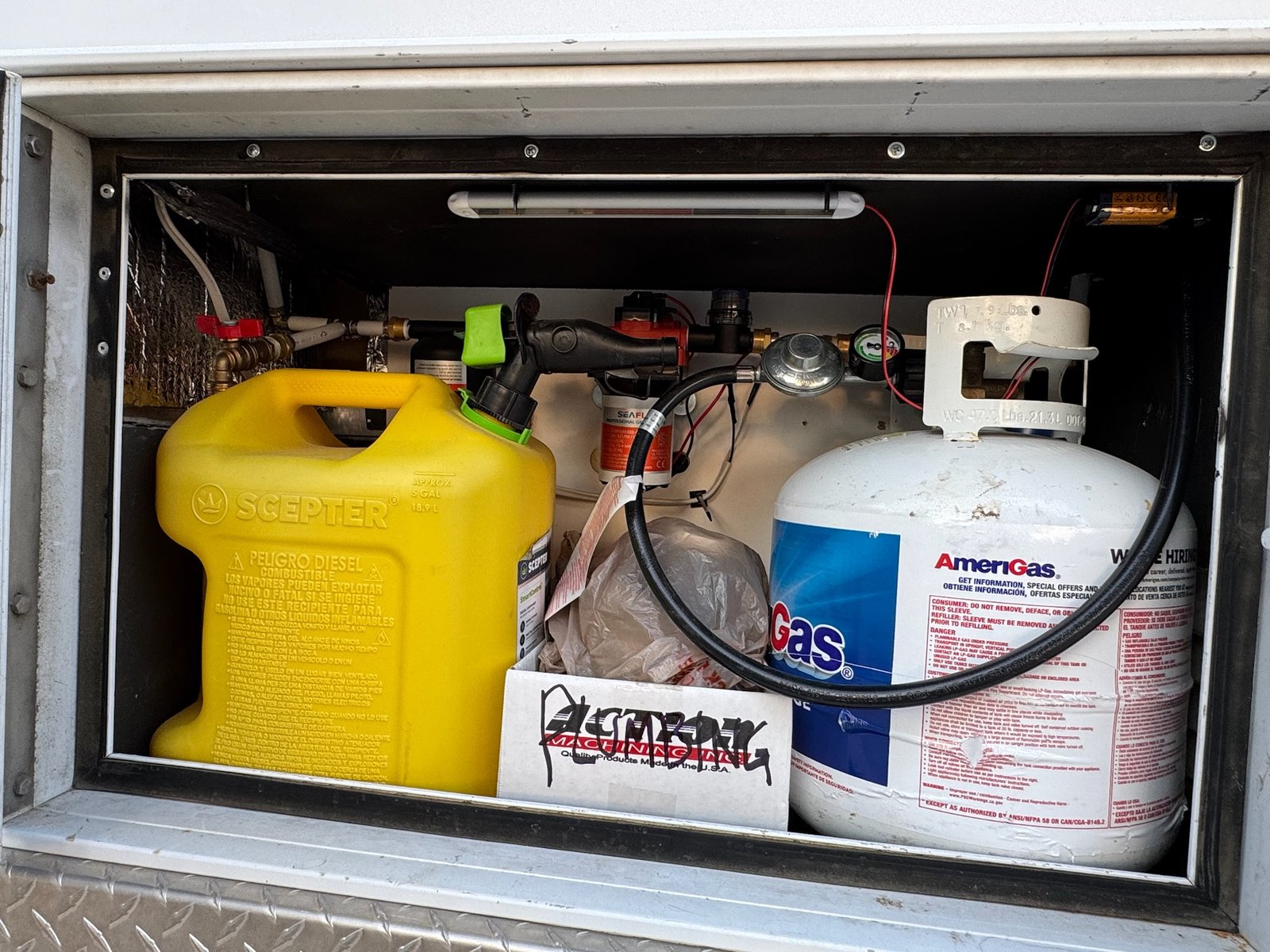
These photos cover the exterior, living area, garage storage, kitchen, shower, electrical system, fans, blackout covers, plumbing, and built-in furniture so the project reads as one cohesive build.
Related extras
If you want to see the app ideas that came out of this project, these tools are still linked separately.